Our History
NYSDRA & the CDRC Network
Moving Towards Alternative Dispute Resolution
The community dispute resolution movement in the United States began in the late 1960's. An overload of minor criminal and civil disputes were clogging the legal and justice systems, disputes that in earlier days had been resolved by families, communities and local civic interventions. Discussions were taking place throughout the country about ways to address this new social development. In non-legal fields, mediation and arbitration had been used since the 1930s to settle labor/management disputes. The civil rights movement, with its nonviolent activism, shed still more light upon alternative ways of communities resolving problems. Gradually the concept emerged of training volunteers to handle community disputes, thus strengthening the problem-solving ability of the civic sector of society while reducing the court’s time on these matters.
The reports of the 1965 Presidential Commission on Law Enforcement and the Administration of Justice documented the counties’ overburdened judicial system. This helped to build consensus on the need for experimentation and reform both in and outside the court system. Independent community dispute resolution centers with various sponsorships and funding sources began to come into existence. In 1968, the American Arbitration Association (AAA) and the federal Law Enforcement Assistance Administration (LEAA) collaborated to create the National Center for Dispute Settlement in Washington D.C., which became the prototype for later dispute resolution models. Major programs were launched by LEAA in 1976, including the Neighborhood Justice Centers Program with pilot programs in Los Angeles, Atlanta and Kansas City, the San Francisco Community Board Program (which later was a pioneer in school peer mediation programs), the Boston Urban Court Program etc.
The First Community Dispute Resolution Centers
New York State's first dispute resolution center - and the third in the country - was the Center for Dispute Settlement in Rochester. It was established in 1973 with the assistance of the AAA, under the impetus of the integration reorganization crisis of the Rochester Public Schools. In New York City, the Institute for Mediation and Conflict Resolution (IMCR) which had begun as a community mediation Training Institute in 1969 with funding from the Ford Foundation, evolved into a dispute resolution center serving Manhattan and the Bronx by 1975. In Long Island, the Suffolk County District Attorney's Office took the initiative in 1977 by sponsoring a community dispute resolution center. Other local civic and religious (i.e. Quaker) initiatives followed with thirteen local centers existing across the state.
The Birth of Alternative Dispute Resolution
In 1977, New York State ended the tradition of local regulation of courts dating back to the origins of the United States. The Unified Court System (UCS) commenced central funding of all courts in New York State. Discussion ensued about how the state could encourage the expansion of community dispute resolution centers and increase the likelihood of citizens resolving disputes prior to entering the formal court system. This process became known as Alternative Dispute Resolution or ADR. The term includes mediation, arbitration, conciliation, mini-trials, summary trials and other procedures different from traditional litigation.
Integration with the New York State Court System
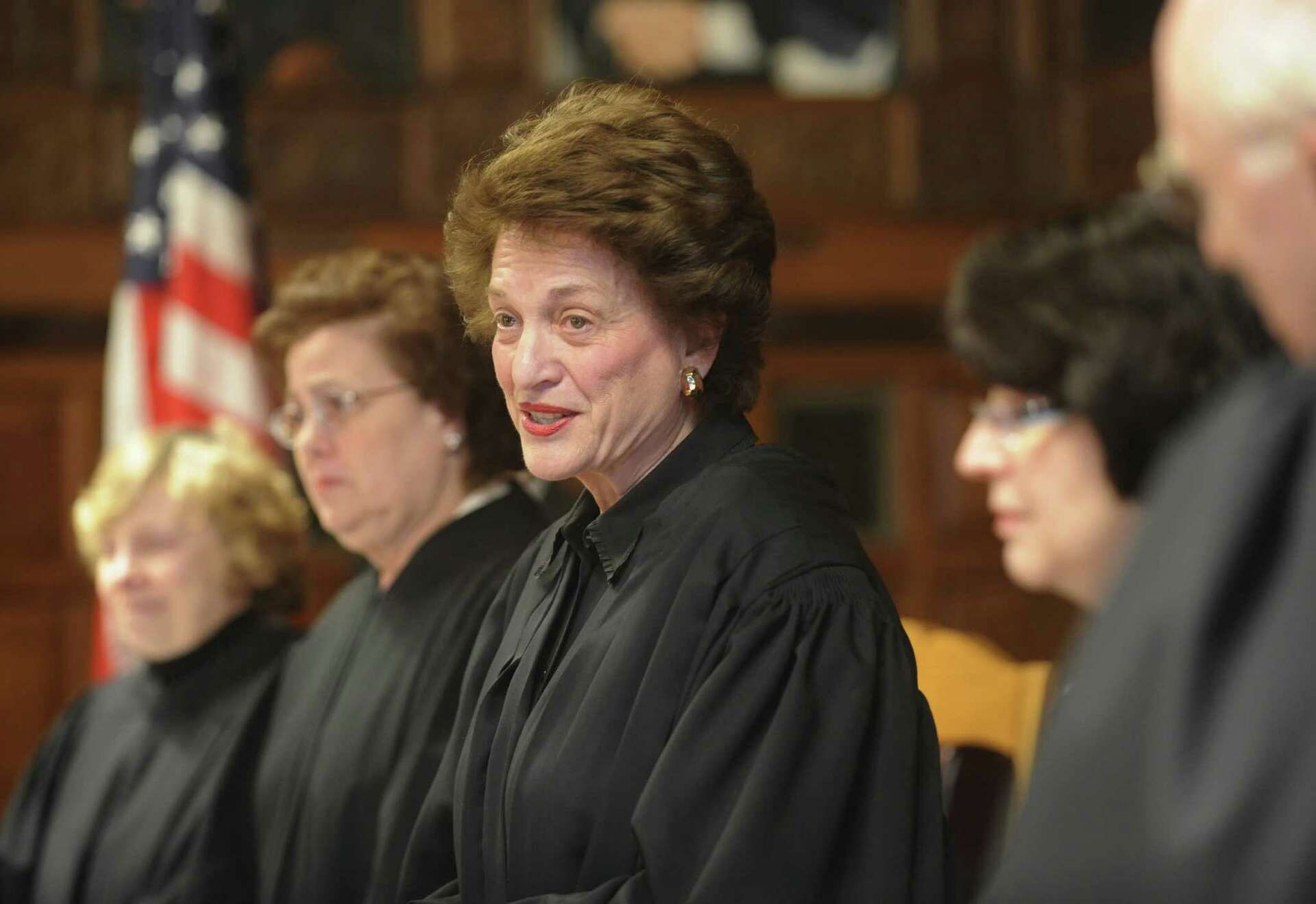
The thirteen existing New York Community Dispute Resolution Centers (CDRCs) were consulted and finally with the supportive efforts of Chief Justice Lawrence Cooke and several legislators from both parties, bipartisan legislation was passed in 1981 creating the CDRC Programs as part of the NYS Unified Court System (UCS-CDRCP). This made it possible for an independent non-profit in each county to apply to the UCS-CDRCP for funding. The state was prepared to match - within legislative limits - the amount of revenues that a CDRCP could raise from local governments or other private sources. Fifteen programs serving seventeen counties were in a position to receive a match from UCS-CDRCP funding that first year.*
*The counties and years of establishment of the fifteen centers are as follows: 1973: Monroe, 1975: Manhattan/Bronx, 1977: Schenectady, Suffolk, 1978: Rensselaer, 1979: Albany, Chemung, Nassau, 1981: Erie, Kings and Queens, Onondaga, 1982: Broome, Northern New York, Orange, Richmond.
Statewide Integration
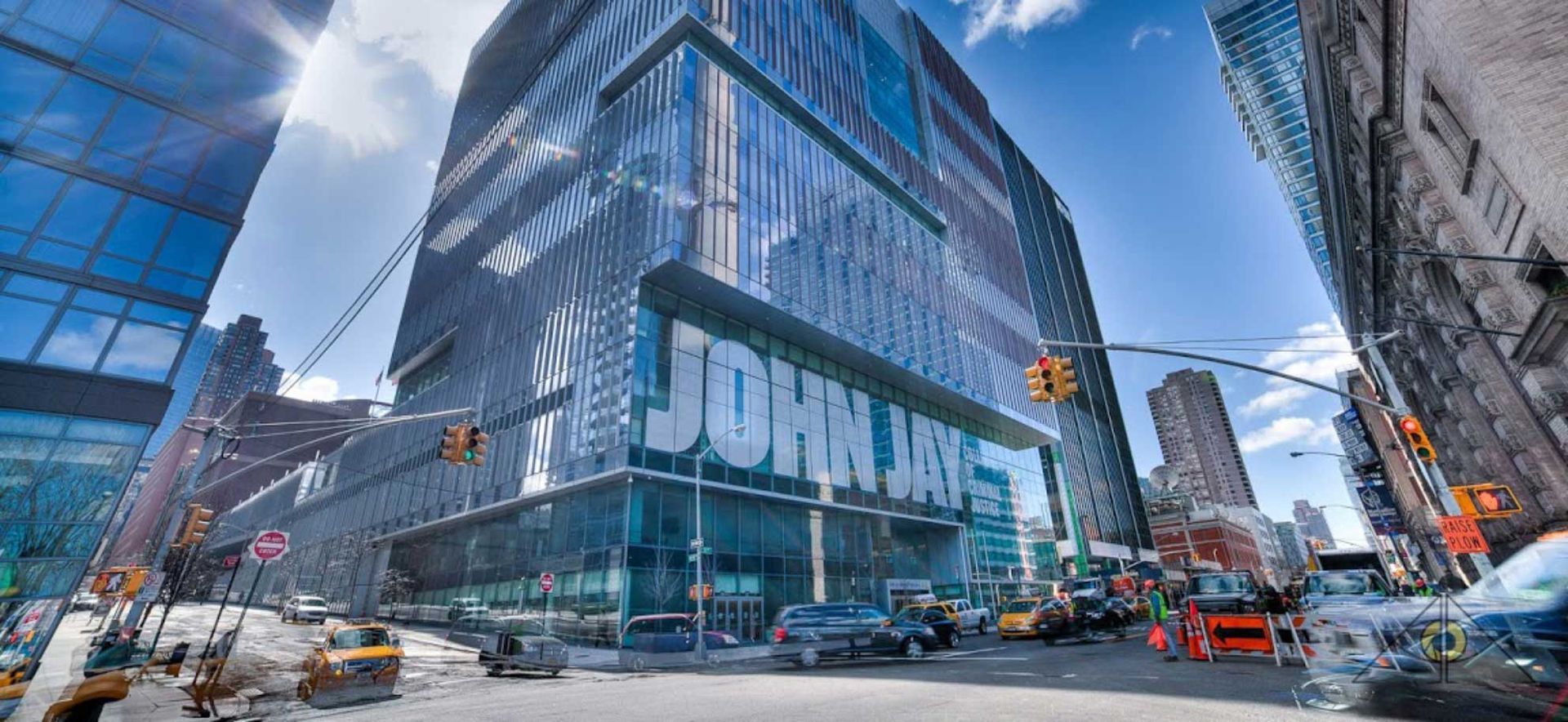
Parallel to legislation, a series of statewide conferences introducing ADR to public, the court and professions began. In 1982 and 1983 these New York State National Conferences on Dispute Resolution were held at John Jay College for Criminal Justice in New York City, followed by a conference in Albany in 1984. Continual education, exposure and networking were critical for ADR to succeed.
The CDRCP matching concept for establishing local centers worked well in urban areas, but rural counties were unable to raise necessary local funding. In 1987, the funding law was changed, allocating $20,000 per county as a base. The state matching grant arrangement above this base continued to support local fund raising efforts. This allowed upstate rural counties to open a community dispute resolution center - at least on a part-time basis.
By 1987, each of the sixty-two counties in NYS had a CDRC, organized into thirty-two contract agencies. Some were single county non-profit organizations, e.g. Tompkins (Ithaca), Rockland, Dutchess, others had two to four counties together. Still others were large regions where one center provided services for five to eight counties, (e.g. Buffalo, Rochester, Adirondacks). CDRCP Centers were also affiliated with other local 'umbrella' organizations (i.e. Community Action and Catholic Charities), depending on local support and interest.
Training Initiatives
Center directors and volunteer mediators were trained by the staff of the UCS-CDRCP. Dr. Thomas Christian, State Coordinator, and his staff continued training and support services.
Contract centers within each of the twelve judicial districts met to share their experiences of introducing community mediation to an unfamiliar public, managing Center offices, volunteer mediators and intake and record-keeping procedures. This gave the Center directors a local regional opportunity to discuss program development in small groups.
The UCS-CDRCP staff also certified Center staff to become the trainers of their own local volunteer mediators, ensuring that each Center could then recruit their own pool of mediators for their steady services to that region.
The Formation of NYSDRA
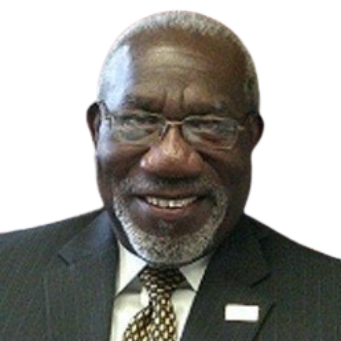
Andrew Thomas
1996 Andrew Thomas Peacebuilder Award Recipient*
First President of the NYSDRA Board of Directors
Center for Dispute Settlement, Rochester, NY
*To learn more about the Andrew Thomas Peacebuilder award, click here.
Center directors began meeting informally, in addition to the shared effort of recruiting participants for the statewide ADR conferences, and local judicial district meetings. The concept of an independent association was born, with the encouragement of UCS-CDRCP staff.
The first officers were elected May 29, 1984, with Andrew Thomas from the Rochester Center for Dispute Settlement as President. The NYS Association of Community Dispute Resolution Centers, now known as The NYS Dispute Resolution Association (NYSDRA), as a membership organization was established shortly thereafter.
New collaborative efforts between NYSDRA and the UCS-CDRCP office began. In 1989, a video was produced for both public education and training, Mediation: A Better Way. NYSDRA also joined with the UCS-CDRCP Office in sponsoring the Fourth NYS National Conference on Dispute Resolution in Rochester in 1986, and continued to cosponsor and recruit participants for the subsequent conferences held in Syracuse in 1988, Buffalo in 1989 and Monticello in 1991.
List of Services
-
Early Years (1985 - 1989)List Item 1
The existence of a statewide not-for-profit association of county CDRCP was critical to the expansion of ADR in New York State. For one thing, the law prohibits the Judicial Branch from funding a program in the Executive Branch of the same state government. Therefore, state entities desiring dispute resolution services could not contract directly with the Community Dispute Resolution Centers Program office that was part of the judicial branch. A not-for-profit neutral organization was a more appropriate administrator for these contracts. In 1987, when ways were being sought to implement the Mobile Home Law and the Tenants Bill of Rights, NYSDRA was asked to provide mediation services between Park Owners and Mobile Home Owners funded by the NYS Department of Housing and Community Renewal (DHCR).
A contract was agreed upon in which NYSDRA would hire an Executive Director to administer the Mobile Home Program statewide. Local centers arranged the mediations and provided the volunteer mediators from their area, and specific training was provided by DHCR. Thus, NYSDRA, as a not-for-profit organization, became vital for the expansion of ADR in NYS.
-
First Executive Director & Albany Office (1989)List Item 2
Christopher Owens, who had been the CDRCP Director of both Rockland and Westchester counties, as well as the Vice President of NYSDRA, became the first Executive Director. Chris, as the first Executive Director, established an office in Albany, administered the Mobile Home contract and began a series of other activities to establish a public presence as a new organization.
Annual statewide retreats for Center directors and staff continued, as the centers were becoming experienced in responding to a variety of complex dispute resolution requests in their local areas. While the goal of the statewide conferences was public education on ADR for volunteers and the community, here the focus was on professional education for Center directors and staff.
School-based peer mediation programs became a new activity across the state in ADR circles. A nationwide movement had begun in the early 1980's, bringing student mediation and the values of negotiating peaceful resolution of differences to the next generation. Center staff members already had community mediation experience and were the main resources for upstate schools interested in starting programs. Staff members learned peer mediation training on their own, from the Community Boards Program in California, or the S.M.A.R.T. Program in New York City. Training students who were establishing conflict resolution programs was simply an expansion of existing center staff roles.
-
Transition Years (1989 - 1993)List Item 3
A few New York State government contracts did emerge beginning in 1990. Each contract included specialized training for Center-affiliated community mediators. The NYS Department of Education contracted for Special Education Mediation to deal with disputes between school districts and families of school age children with disabilities. This program began in 1990, and expanded in 1995 with an amendment of the Education Law. In 1993, The NYS Department of Health initiated Early Childhood Intervention mediation. Also in that year, specialized training in Fee Dispute Arbitration in Domestic Relations Cases was organized, with Centers cooperating in recruiting trainees to serve as arbitrators. The fee arbitration program is administered by each of the twelve judicial district administrative offices.
While some centers benefited from these contracts, others did not. Therefore, major revenue sources for the CDRCs continued to be UCS funding, with additional funds coming from school training contracts, local government contracts, the United Way and a variety of other services and trainings. The annual Center retreat satisfied some of the need for ADR continuing education, sharing and contact. Having an Albany office meant new opportunities for outreach on the statewide level, and the statewide contracts gave and continued to give local centers a larger presence with other organizations. However, it remained difficult to sustain a statewide office.
-
New Statewide Initiatives and Reorganization (1993 - 1996)
In 1993, the National Institute of Dispute Resolution (NIDR) provided a two-year grant for the creation of the NYS Forum on Conflict and Consensus to explore the use of ADR in the public policy arena. NYSDRA was offered the position of being the Forum’s Secretariat from 1993 to 1995 on a part-time basis. Lisa Hicks, NYSDRA’s Executive Director at the time, began her role as Executive Director in February 1994.
In 1994, Chief Judge Judith Kaye began a study on expanding ADR in New York State. The future role of the CDRCP with its service base in volunteer community mediators was unclear. Renewing the tradition of biannual statewide conferences that had ended in 1991, Albany Law School hosted the Eighth NYS National Conference on Dispute Resolution, held in October 1996 in Saratoga Springs. The conference was planned to coincide with the release of the final recommendation of the New York State Alternative Dispute Resolution Project, a Task Force appointed by Judge Judith Kaye.
Also in October 1996, NYSDRA received the statewide contract for administering the NYS Lemon Law Arbitration Program, formerly held by the American Arbitration Association. NYSDRA’s office organized specialized arbitration trainings, and local centers began arranging for the settlements of Lemon Law contract disputes utilizing their base of community mediators/arbitrators.
-
NYSDRA Today
New York State has developed a unique program with its organizational model of a community dispute resolution center in each of its sixty-two counties. Today it is the largest network of state-funded ADR centers and has been a model for other states. It is unique, as New York is the only state with a statewide organization of dispute resolution centers and practitioners. A network of local centers encourages continued training in problem-solving methods and conflict resolution skills. In turn, they encourage community involvement and interest in the community toward utilizing those skills. However, there is still a continued need to educate courts, professionals and the public about ADR, and the fact that these processes are recognized as a valid approach to the resolution of conflicts. NYSDRA is prepared to respond to a variety of issues, providing skilled ADR assistance so that differences may continue to be settled peacefully and to the satisfaction of all.